


It has been about 10 years since Breaking began walking its path as a dance sport. During this time, world championships and All Japan Championships were established, significantly changing how athletes approach competition and how they are perceived by society. Now, as if inheriting that experience, a new path as a dance sport is opening up for the entire realm of street dance beyond Breaking.
Recently, the Japan DanceSport Federation (JDSF) announced the establishment of a new “Street Dance Division.” Through this, not only Breaking but street dance genres across the board will be institutionalized as sports—or competitive disciplines. While this is a historic achievement from the perspective of the street dance scene, fostering understanding within the community is essential.
What can street dance gain by adopting the competitive aspect of sports? How will it engage with the culture and community nurtured over a long time? NOBUO, who assumed the position of Sports Manager for JDSF’s “Street Dance Category,” and KATSU ONE, head coach of the Japan National Breaking Team, look back on 10 years of Breaking while discussing the future of street dance sports. [Part 1]
Heading into an Era Beyond Imagination | The Path Paved by Breaking
KATSU ONE: I think Breaking becoming an Olympic discipline made the world’s antenna for dance itself significantly sharper. Breaking is one category of dance sports. From there, attention turned toward street dance, creating a movement within the WDSF (World DanceSport Federation) to handle street dance as well. For me, I felt, “Finally, this trend has arrived.” NOBUO, watching Breaking from the outside, how did it feel to you?
NOBUO: Frankly, I thought, “What an incredible era we’ve entered.” Due to my work, I’ve had people around me who have been doing Breaking for a long time, so seeing them featured prominently made me genuinely happy. Even when talking to dancers of other genres, everyone said, “Breaking is amazing.” When I go back to my hometown, I hear stories like, “Grandma and Grandpa were watching the Breaking tournament on TV.” It is reaching people who had never been exposed to dance before. I think that is a truly massive change.
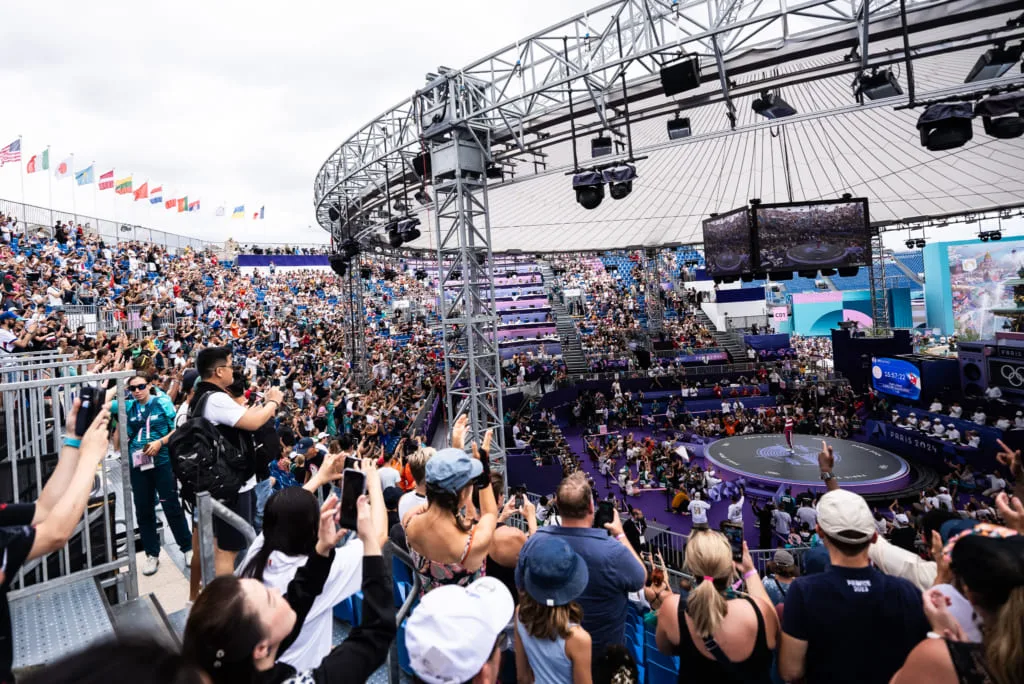
KATSU ONE: So that’s how it looked to you after all. When we started our activities, even if we had the desire to realize such a future, it was realistically very difficult. But we worked hard hoping to make it happen someday. The number of breakers worldwide grew, and world championships began to be held in various countries. When it was adopted for the 2018 Youth Olympic Games, I was surprised, of course, but somewhere in my heart, there was also a feeling of, “They finally noticed.” The current integration of the entire street dance realm into dance sports might be happening at a similar timing.
NOBUO: Having Breaking pave that path first is truly huge for street dance. Ten years ago, hearing that “street dance is becoming a sport” might have felt much more jarring. But because everyone witnessed the path Breaking walked, I feel many people accept it as, “The time has finally come for street dance, too.”
How Dancers Changed Through Sports Institutionalization
KATSU ONE: The biggest change was that Breaking gained a clear goal. Previously, it was difficult to show people in general what we were striving for and where our focus lay in an easy-to-understand way. Officially being recognized as a sport changed how society views us.
The mindset of competing athletes has also changed. Since they enter competitions, they aim to win, but it goes beyond practicing and refining technique. They plan toward their goals, managing their nutrition and conditioning. The meaning of why we dance became easier to communicate to society. That was a major shift.
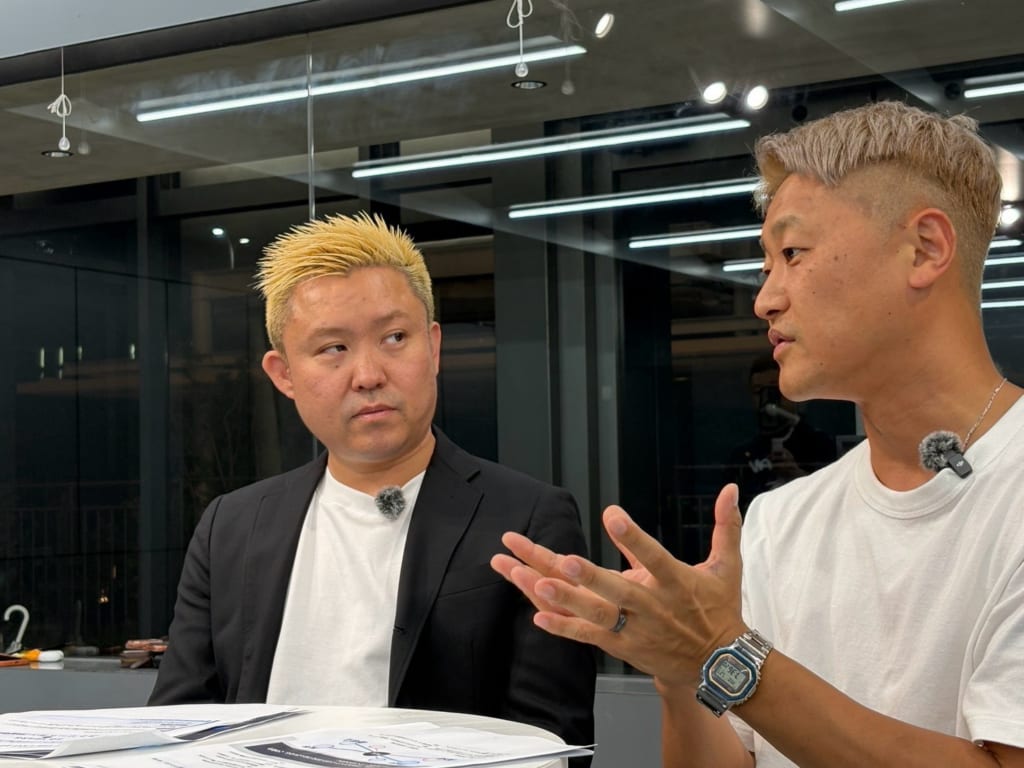
NOBUO: Especially for the younger generation, having a visible destination to aim for is huge. Kids dancing in regional areas might have previously viewed the world stage as something distant, even when seeing it through videos or social media. But now, among kids doing Breaking, there are those who work hard with the genuine intent of “I want to go there, too.” I almost feel envious of such an environment.
KATSU ONE: Official competitions like the All Japan Championships were born. Dancers can now present those results to their schools, and there are cases where serving as a designated athlete led to university admission. When we were young, thinking dance achievements could lead to higher education was unimaginable. In that, too, I feel the value of Breaking gaining societal recognition.
Also, in the beginning, I personally wondered, “Why do we have to win medals?” But when you represent Japan at a world championship and win a gold medal, the national anthem plays. Seeing that scene firsthand was deeply moving. Representing your country in a challenge, thinking through the process for it, and having the results reach many people as public news—that was a major experience gained from pursuing it as a sport.
Sport or Culture?
NOBUO: In Breaking, terms like “World Championship” and “designated athlete” feel fully integrated now. But for street dance starting now, we have to explain things from scratch, like “What is a designated athlete?” and “Which tournament leads to where?” Street dance encompasses a wide range of genres, and arguments regarding “what qualifies as street dance” will likely arise. KATSU ONE, having experienced 10 years of Breaking, what did you value right from the start?
KATSU ONE: One was understanding and communicating what Breaking actually is—how it was born and why it has been supported by youth worldwide for over 40 years. I cherished the history, background, and inherent value of Breaking and Hip Hop. The other was understanding the sports aspect. For us, it was starting from zero; we didn’t know things considered common sense in the sports world. On the flip side, people involved in sports sometimes don’t know our culture.
To be honest, initially, I felt resistance, thinking, “Breaking isn’t a sport.” However, sports have their own brilliance and established systems. If we were entering that realm, I felt we needed to understand both the brilliance of our culture and the brilliance of sports. If asked, “Is it a sport or a culture?”, my answer is “Both.” Because Breaking is Breaking, it can exist in either form. I have always held onto that mindset.
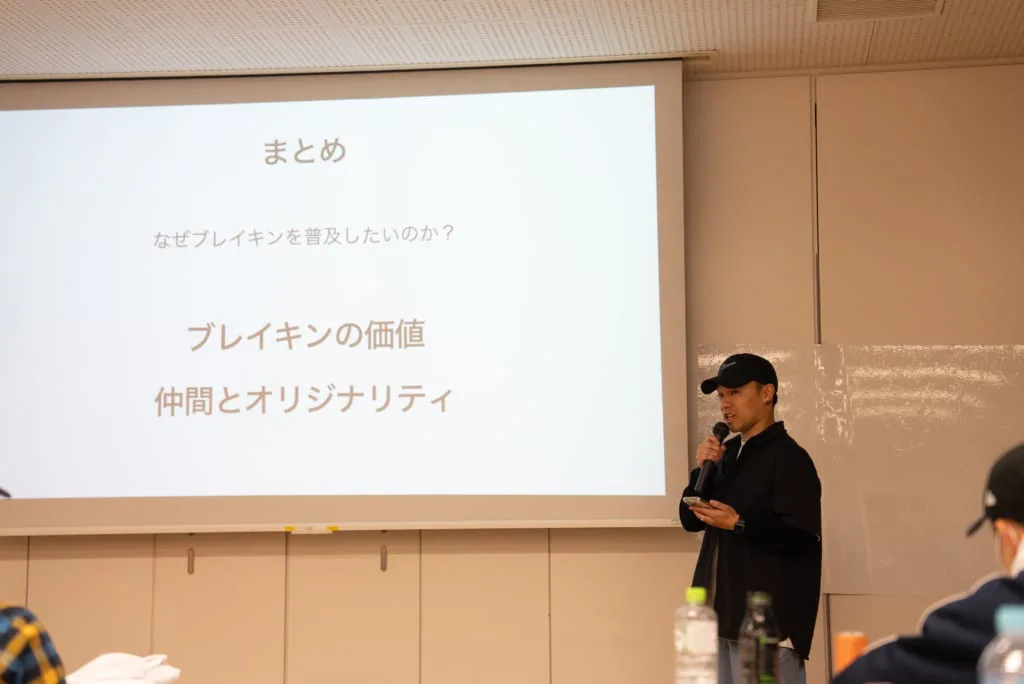
NOBUO: I want to cherish that mindset in street dance as well. Street dance is very broad, making it difficult to narrowly define “this is street dance” from the start. I personally still have genres I don’t know, and there might be differences in perspective between regional areas and urban centers. That is precisely why I want to listen to various people’s opinions and proceed while learning myself. Japanese street dance possesses a unique culture even from a global perspective. While valuing that culture, I want street dance as a dance sport to serve as an opportunity to connect with society.
KATSU ONE: Street dance is even more complex than Breaking, so shaping it will be tough. However, by building on what Breaking experienced first and establishing a proper path as a sport, I believe we can open up new possibilities for society. What matters is not forgetting the “street” part, right? Without that, you cannot build dance sports.
Battles and Choreography | Specific Disciplines
KATSU ONE: Breaking centered around 1-on-1 battles, but the first Youth Olympics included mixed-gender 2-on-2s. Today, there are 2-on-2s and 3-on-3s, showing that even Breaking is no longer limited to a single format. For street dance, formats being considered include battles and contest-style team performances, right?
NOBUO: Yes. Broadly speaking, it divides into dance battles and choreography. As for battles, I personally feel some resistance to mixing various genres together right from the start. I want to maintain respect for each individual genre. Initially, we want to start with 1-on-1 battles per genre as an entry point. However, that doesn’t mean keeping a set format forever. We plan to nurture it alongside changes in the era and scene by listening to feedback as we execute.
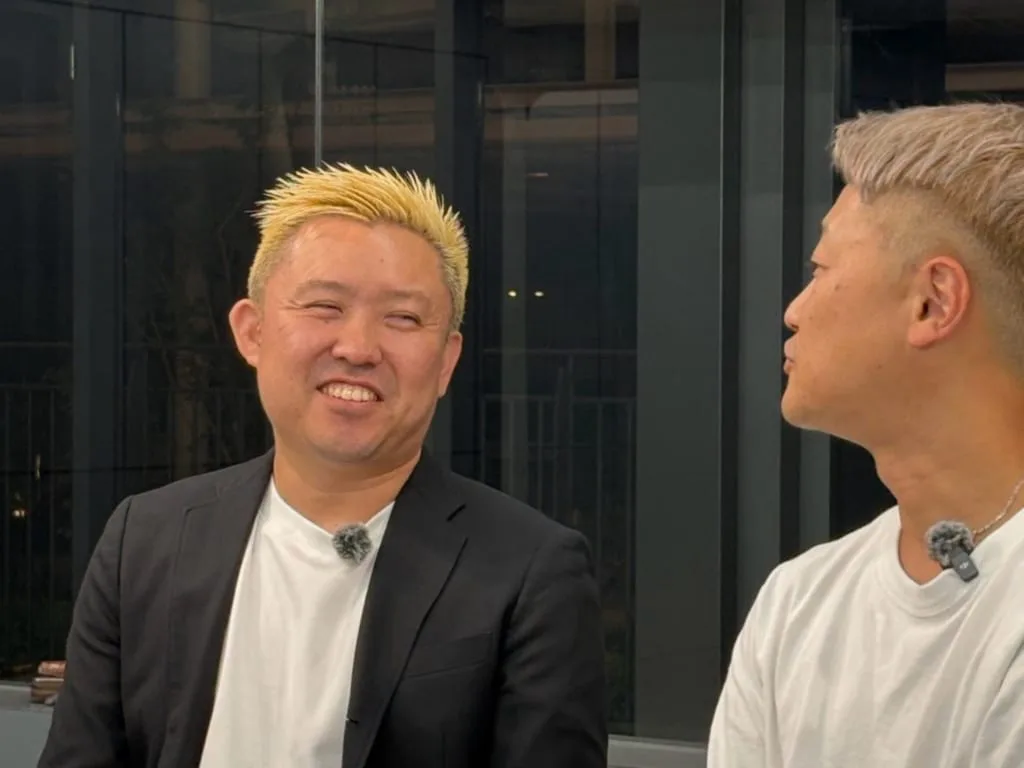
KATSU ONE: Is the choreography division a format where teams create pieces to participate?
NOBUO: Exactly. We are planning a contest-style participation where teams or groups create a single piece. We want this to accept a wide range of expressions. We definitely want kids active in middle school, high school, and college dance clubs to participate.
KATSU ONE: For kids dancing at school, it could become a goal equivalent to Koshien (the national high school championship).
NOBUO: I truly hope it becomes that. Having grown up in a regional area myself, I strongly want to make it a tournament that kids active locally can aim for—representing their school, region, or prefecture on the national stage, with local communities passionately cheering them on. It would be wonderful if it grew to that level.
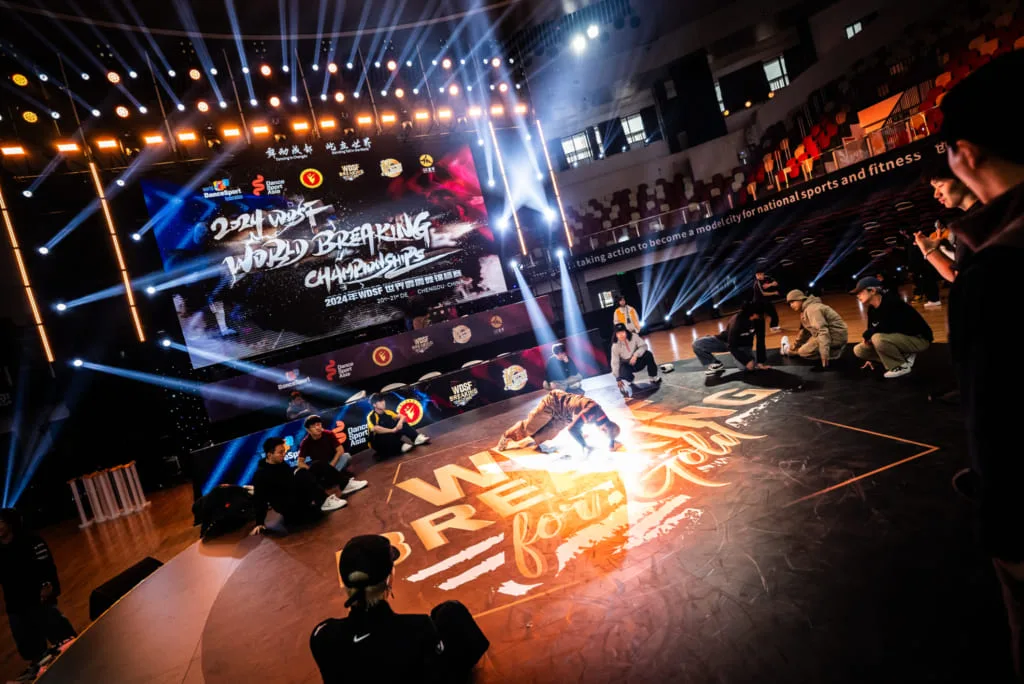
A Clear Path Leading to the World
NOBUO: Originally, I am from Iwate Prefecture and encountered street dance during my university years. I didn’t start with the thought “I want to dance.” A university friend invited me, so I tried it casually. But from there, I got hooked. Through dance, I connected with seniors and friends, and gained juniors. Attending events outside the prefecture expanded my circle further. Wherever I went, my anchor was “I dance in Hirosaki, Aomori.”
I considered getting a job in Tokyo after graduation, but I felt that doing so would change not only my engagement with dance, but also my relationships with the people I met through it. That’s how significant the community was to me. That is why, with this initiative, I want to create an environment where anyone across the country can feel, “I can genuinely push hard, too” and “I can aim to be number one in Japan.” This isn’t just for students. Even after joining the workforce, people can compete representing their local regions. After stepping away from competition, they can mentor juniors or organize local events. I hope this flow of giving back experiences to local communities spreads.
KATSU ONE: Having worked on Breaking for 10 years, I feel the exact same way. Regarding competitive frameworks, we can share case studies and advice from our experience. But the underlying passion is the same for both Breaking and street dance. NOBUO, what is the single greatest value of street dance to you?
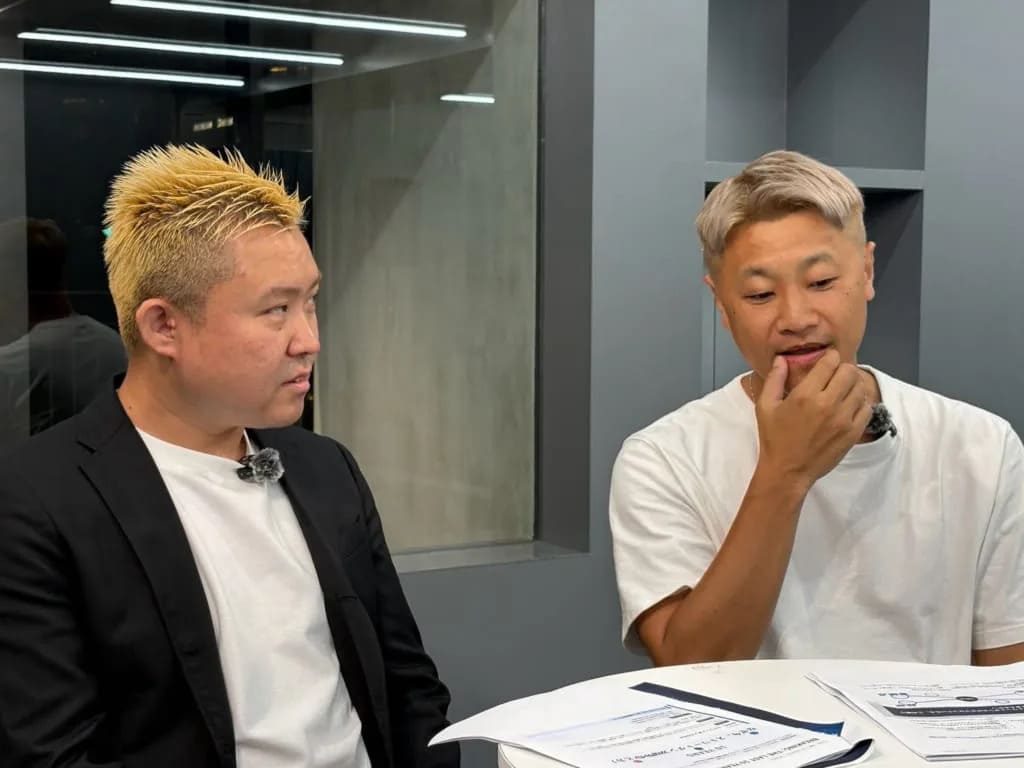
NOBUO: There are many, but if I had to pick one, it’s community. You don’t have to enter competitions; simply enjoying moving your body is enough. Through dance, you make friends, cheer for someone, or teach someone. Everyone has their own way of engaging with dance. However, the community street dance possesses is truly wonderful. Trying it once might change your life—it holds that kind of power.
People currently involved in street dance act with their own convictions. I want to convey their dedication and value to people who don’t know dance. And I hope more people get involved in this community in some way, including supporters, not just dancers.
KATSU ONE: We have also valued making Breaking a lifestyle. Having Breaking naturally embedded in daily life fosters connections with peers and yields diverse learnings. That is identical in street dance. In sports, there is sometimes a perspective that “results are everything.” But we want to change that mindset. There is brilliance beyond winning and losing, and the process itself carries meaning. We want to shed light on that as well.
NOBUO: In today’s dance scene, you still see people losing in the prelims of a battle and immediately leaving the venue. But the charm of street dance extends beyond results. Pausing to ask “Why am I dancing?” might make one realize they gained friends through dance or discovered the joy of supporting others. I hope creating this new path of dance sports serves as an opportunity to reflect on the core appeal of street dance.
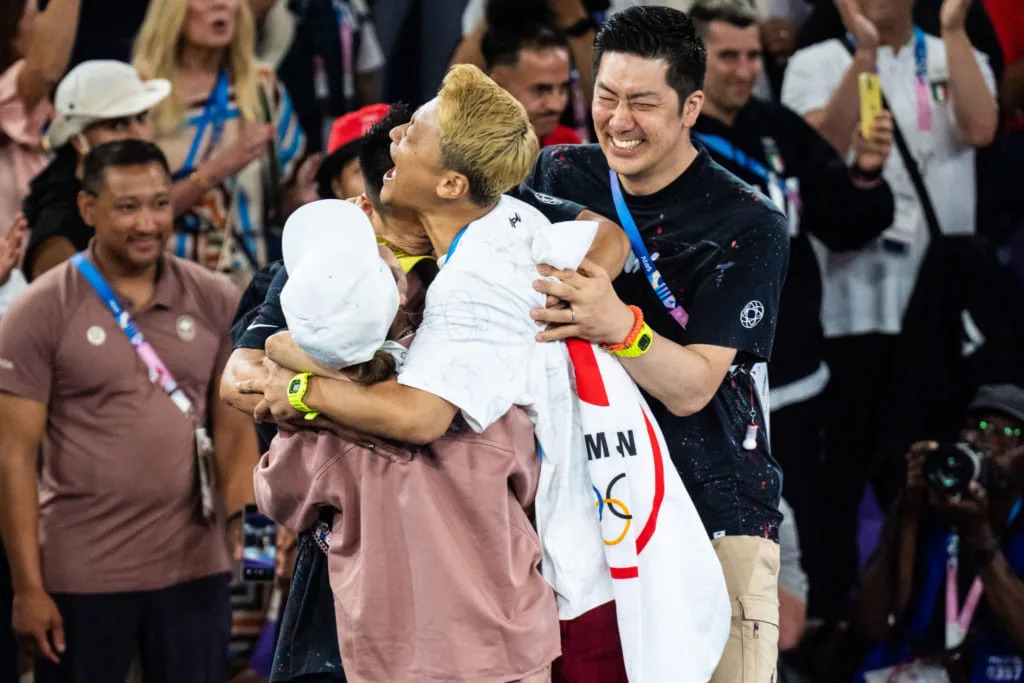
Not Just Athletes | Career Networks Expanding from Dance
NOBUO: By pursuing Breaking as a dance sport, what kind of careers emerged for competitors?
KATSU ONE: There is the path of joining the national team as a competitor and active player. But it doesn’t stop there. There are paths to become official judges, instructors, regional coaches, or national team coaches. At events, some perform as MCs or DJs, while others support as management staff. In addition to federation work and event operations, it provides opportunities to learn sports business and sports management. Turning Breaking into a dance sport definitely expanded new career options.
However, I believe anyone who has genuinely experienced Hip Hop from the bottom of their heart can succeed in any industry. Facing people, thinking independently, and continuing to take on challenges—the human strength cultivated through this applies outside the dance world as well.
NOBUO: In street dance too, I want to create an environment where people don’t have to quit dancing when transitioning from student to working adult. They can continue competing, or become regional instructors and organizers. There are paths toward professional stages like D.LEAGUE, as well as paths to keep dancing in ways that fit one’s lifestyle. I hope dance sports becomes a platform for staying involved with street dance long-term.
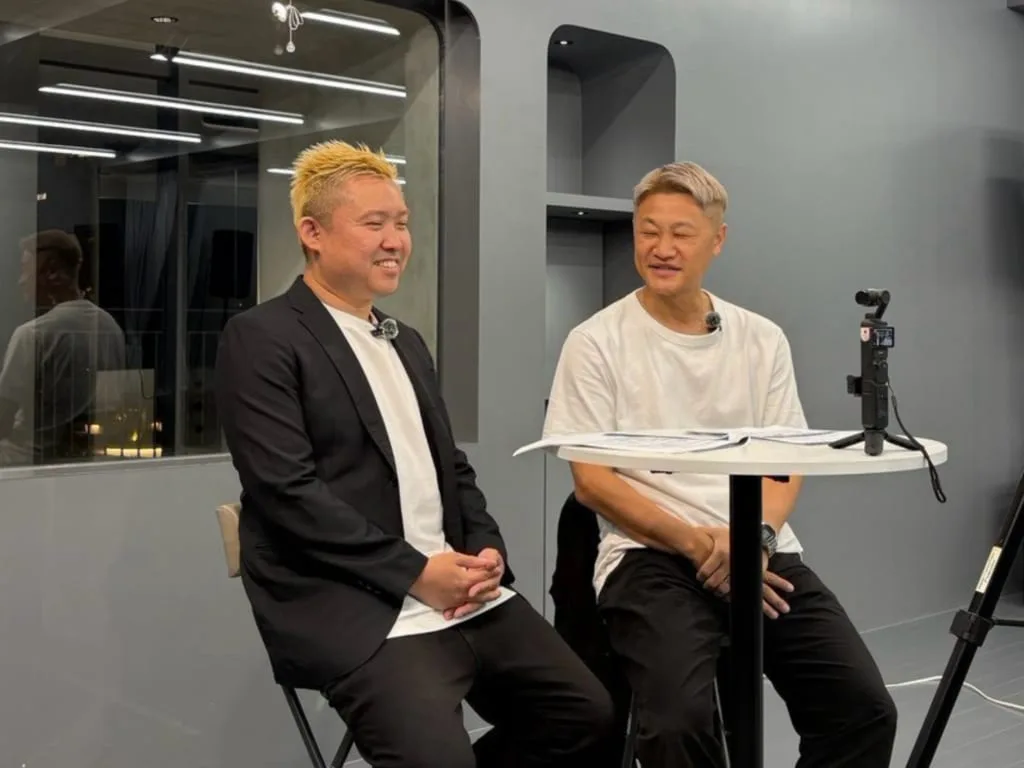
Building a New History Together
KATSU ONE: Engaging as a culture and competing in dance sports might look like separate worlds. However, you don’t have to quit one for the other. By challenging yourself in dance sports, you may discover new value and unexplored worlds. It represents a major opportunity within a career. If you feel even a slight desire to try, I want you to step forward. Let’s build a new world together while competing.
NOBUO: It is precisely because of the 10 years Breaking walked as a dance sport that a new division is being born for street dance today. Without forgetting our gratitude to everyone who paved the way, I feel I must study even more myself. I hope this initiative serves as a bridge connecting everyone in street dance with society in a better way. And for kids who want to work harder at dance from here on, I hope it becomes an environment they can strive toward. Let’s take a step into street dance as a dance sport and create a new history together from here.
Profiles
KATSU ONE (Katsuyuki Ishikawa)
Appointed as Head of the Breakdance Division in 2018. A B-boy who has exerted a massive influence on the global Breaking scene through tournament victories in Japan and abroad, as well as extensive workshop experience. Currently serving as Head of the Breakdance Division at the Japan DanceSport Federation (JDSF), he leads the development of competitive Breaking in Japan and enhances international competitiveness.
Throughout the process of Breaking developing into an official additional event for the Youth Olympic Games and the Paris 2024 Olympic Games, he spearheaded domestic organizational building, competitive institutionalization, and athlete support systems. At the Paris Olympics, he supported Japanese national athletes as a Breaking coach, contributing to winning a gold medal in the B-Girls division. While tackling the complex challenge of balancing culture and sports, Japan’s initiatives have gained international acclaim as a model case.
At the core of his activities lies the belief that street culture is a “common language among people,” an “opportunity to foster global talent,” and “education for character building.” Based on this philosophy, he continues to devote his efforts to the development of street dance and street culture, as well as nurturing the next generation.
In 2018, he brought the “WDSF World Youth Breaking Qualifier” to Kawasaki City, and successfully realized the WDSF World Breaking Championship in Kurume City in 2025. At the 2018 Buenos Aires Youth Olympic Games, he served as head coach of the Japanese Breaking team, securing two gold medals and one bronze medal. Since then, he remains deeply involved in strengthening and training the Japanese national team, contributing to a system that supports top-level global competitiveness.
He also focuses on educational approaches, leveraging his physical education teaching license to emphasize human development and international perspectives through dance. Merging Breaking’s cultural value with its potential as a sport, he continues to act as a bridge connecting Japan and the world.
NOBUO (Nobuo Iwabuchi)
Born in Iwate Prefecture. Started dancing after joining the street dance club “A.C.T.” at Hirosaki University. After completing graduate school, he opened the dance studio “FUNKY STADIUM” in 2008. In 2012, he established the “Hirosaki Artistic Dance Executive Committee” to develop artistic dance activities in Hirosaki City.
In 2016, he organized the large-scale outdoor festival SHIROFES. at Hirosaki Castle Honmaru. In 2021, SHIROFES. won the top national award, the “Sports Cultural Tourism Award,” at the Sports Cultural Tourism Awards 2021 hosted by the Japanese government. He continues his activities as a dancer while dedicating effort to training future generations.
In addition to managing dance studios and events, he serves as Dance Content Project Director for Red Bull Japan Co., Ltd. In October 2023, he enrolled in a doctoral program at Hirosaki University Graduate School, conducting research on “The Impact of Passion for Culture.”